Welcome to Memorandum Deep Dives. In this series, we go beyond the headlines to examine the decisions shaping our digital future. 🗞️
This week, we’re going back to July 2009, when Amazon reached into customers’ Kindles and deleted copies of George Orwell’s 1984 they had already paid for. One of those readers was a 17-year-old in Michigan using the book for a school assignment, and his lawsuit pushed Amazon to promise it wouldn’t happen again. At the time, it looked like a one-off blunder.
Two stories have brought it back into focus. Microsoft’s updated terms of service, which cover everything from Xbox to Copilot, took effect at the end of September. In California, four PlayStation owners are suing Sony over the ‘Buy Now’ button they pressed at checkout.
Both raise a question that rarely comes up at checkout: when you pay for a game or an ebook, what exactly do you walk away with? The answer is written down in terms that take nearly an hour to read, and it decides what happens when a seller pulls something from your library or a buyer tries to fight back.
Put your brand in front of 250,000 tech decision-makers.
Bay Area Times reaches more than 250,000 founders, operators, investors, and venture capitalists, 90% of them in the United States, with a 53% open rate.
Native placements sit inside the editorial flow rather than beside it, so your message gets read with the news instead of scrolled past. Slack, Attio, and Granola have run here.
Goodies delivered straight into your inbox.
A deleted ebook showed what ‘Buy’ really means
For most of history, buying a book meant the book was yours, so you could lend it, resell it, or write notes in its margins without asking anyone. An ebook works differently, as Kindle owners found out in July 2009: it is a file on a device the seller can still reach. Amazon discovered that the company selling George Orwell’s 1984 on its store did not have the rights to it, so it deleted the book from customers’ Kindles and refunded their money.
One of those customers was Justin Gawronski, a 17-year-old in Michigan reading 1984 for an advanced placement assignment. His notes survived, because Amazon stored them in a file separate from the book, but they now pointed to passages in a text that was no longer on the device. Amazon apologized, Gawronski sued, and the company settled in September 2009 by agreeing not to remotely delete books from U.S. Kindles except in narrow cases. The episode showed two kinds of things sitting on the same screen: the book, which Amazon could take back, and the notes, which were the student’s own.
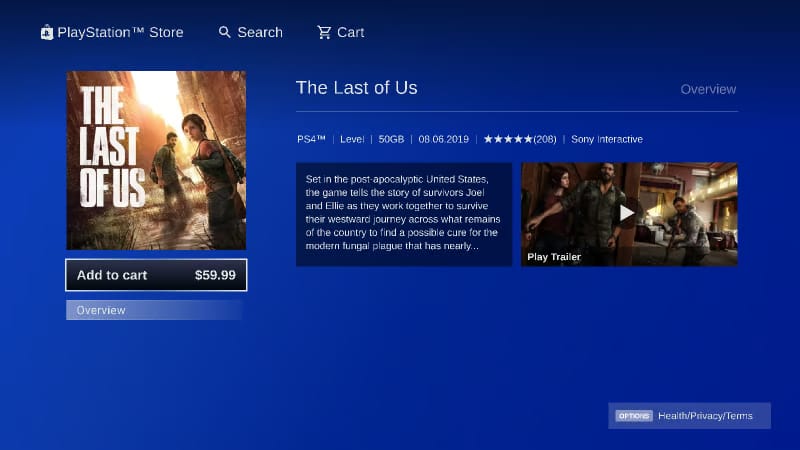
That old story is back in focus because of what Microsoft and Sony are doing right now. Microsoft’s updated terms of service, which cover Xbox, Outlook, OneDrive, Microsoft 365, and its Copilot AI assistant, take effect on September 30, and they spell out which things belong to you and which belong to Microsoft. At the same time, Sony is being sued in California by PlayStation buyers who say the store’s ‘Buy’ button led them to think they owned what they paid for. Both cases come down to the question the Kindle student ran into, which is what you actually get when you pay for something digital.
Clicking ‘Buy’ in a digital store gets you a ‘license’, which is permission to use something the seller keeps owning, on rules the seller writes. A license comes with four conditions that a book from a shop never had. It can be taken away, you cannot pass it on to anyone else, its rules can change after you pay, and if you want to complain, the seller decides how. Only the things you create yourself, like the student’s notes, stay fully yours.
A purchase stays under the seller’s control after you pay
Microsoft’s terms write down the line that Amazon’s deletion exposed, and they start on the student’s side of it, promising its users in writing that “Your Content remains yours and you are responsible for it.” That promise covers anything you create, upload, or type into Microsoft’s services, so your documents, your photos, and the questions you ask Copilot are treated like the student’s notes. Everything you buy sits on the other side of the line, where it is treated the way Amazon treated the Kindle book.
Once you have finished the game, a boxed copy could have gone to a friend or a secondhand shop, but a digital purchase has nowhere to go. Software bought from Microsoft is licensed and cannot be transferred to anyone else, so nobody else can ever use that copy. Even the reward points Microsoft gives you for using its services stay the company’s property as well.
A year later, the rules attached to that game may have changed without you signing anything new. Microsoft updates its terms by sending notice and counts your continued use as agreement. Its own help page told anyone who disliked this year’s changes to close their account before September 30, which makes closing the account the only way to say no. The new terms also warn that apps from its store may stop working, lose support, or lose features if you turn down updates, so even refusing a change can cost you part of what you bought.
Stay ahead of AI at work.
Cut through the hype. Roko’s Basilisk distills the day’s AI breakthroughs, market moves, and workable workflows into a five-minute brief.
Get one sharp deep dive, fast Quick Hits, and a witty pro tip, plus links that actually matter.
*This is sponsored content
The seller decides how you can complain
When something finally goes wrong with that game, the same terms decide how you can complain about it. Microsoft sends most U.S. disputes to ‘arbitration’, a private hearing in front of a paid decision-maker instead of a public court, and its rulings are hard to appeal. The terms also ban ‘class actions’, the lawsuits in which a few people sue on behalf of everyone with the same problem, so each unhappy buyer has to make their case alone.
If Sony gets its first request, each buyer will argue in a separate private hearing, and no judge will decide what ‘Buy’ means for all of them together. The complaint rules therefore end up protecting every other condition of the license. A license that can vanish, stay locked to its buyer, or change after purchase would only ever be challenged one buyer at a time.
The sellers say the rules are legal and clearly written
Sellers say nothing here is hidden or new, and they point to a 2010 ruling by a U.S. appeals court. The court decided that a seller can turn a sale into a license simply by saying so in its terms and limiting what buyers can do with the product. Sony also points to its terms, which say plainly that a purchase buys a personal license, and argues that no reasonable buyer would be misled.
The Kindle student lost a book he thought he owned and kept the notes that were always his, and he only learned the difference after the book was gone. Buyers today can learn the same difference ahead of time by reading the terms. Those terms say that what they make stays theirs and that what they buy can be taken away, cannot be passed on, can change after they pay, and must be argued over alone. Sony’s request to send its buyers to arbitration one by one goes before a federal judge in California on October 1. If the judge turns it down, a court may finally get to decide whether the word ‘Buy’ honestly describes what people are getting.
P.S. Want to collaborate?
Share today’s news with someone who would dig it. It really helps us to grow.
Let’s partner up. Looking for some ad inventory? Cool, we’ve got some.
Deeper integrations. If it’s some longer form storytelling you are after, reply to this email and we can get the ball rolling.
What did you think of today's memo? |
|







.svg)
.svg)